

This is our first time selling a home, and it’s come with a lot of learning curves.
Many on social media have asked me to share my tips after our home sold for the full asking price after being on the market for less than 24 hours. And even though I’m going to share the very practical staging tips and tricks, I also want to say this:
I truly believe successfully selling your home for what you want starts long before you ever put that “For Sale” sign in the yard.
As a Catholic, I believe that everything I have is a gift from God—and as such, I’m called to steward it well. That includes my home.
No, that doesn’t mean you need to renovate your house every year (God also gives you a budget to steward). But it does mean taking care of what you’ve been given—keeping things clean, staying on top of maintenance, and addressing issues before they become bigger (and more expensive) problems.
Because here’s the truth:
A well-maintained home is significantly easier to stage… and significantly easier to sell. I went into staging my home with the mindset of “AirBnB” and making it look like a family could walk in with their overnight bag and stay the week.
The Foundation: Maintenance Matters More Than You Think
Before we ever listed our home, we had already:
- Replaced our HVAC (2019)
- Replaced the roof and windows (2018)
- Fully renovated in 2023
- Replaced the water heater (2026)
But beyond the “big ticket” items, it was the small, consistent habits that mattered:
- Regular cleaning (not just before listing). I’ve followed this cleaning routine for over a decade, and it’s served me well.
- Changing HVAC filters
- Keeping clutter under control
- Fixing things when they broke instead of waiting
These aren’t glamorous, but they build trust with buyers.
When someone walks into your home, they can feel whether it’s been taken care of.
Step 1: Declutter Like You’re Moving (Because You Are)
If you do nothing else—do this.
Buyers aren’t just looking at your home. They’re trying to picture their life in it.
That’s hard to do when:
- Counters are covered
- Closets are packed
- Every wall is filled
Here’s what worked for us:
- Removed at least 50% of items from closets
- Cleared off kitchen counters completely (yes, even the coffee maker)
- Packed away anything personal or overly specific
Rule of thumb: If it’s not necessary or beautiful, it goes. That doesn’t mean you necessarily have to get rid of it. If it’s something you treasure, find a temporary place for it. Our neighbors were kind enough to let us use a spare closet in their home to store things we need and use but aren’t necessarily “pretty” to look at. You could always buy solid color Rubbermaid storage containers and store that stuff in a garage or closet.
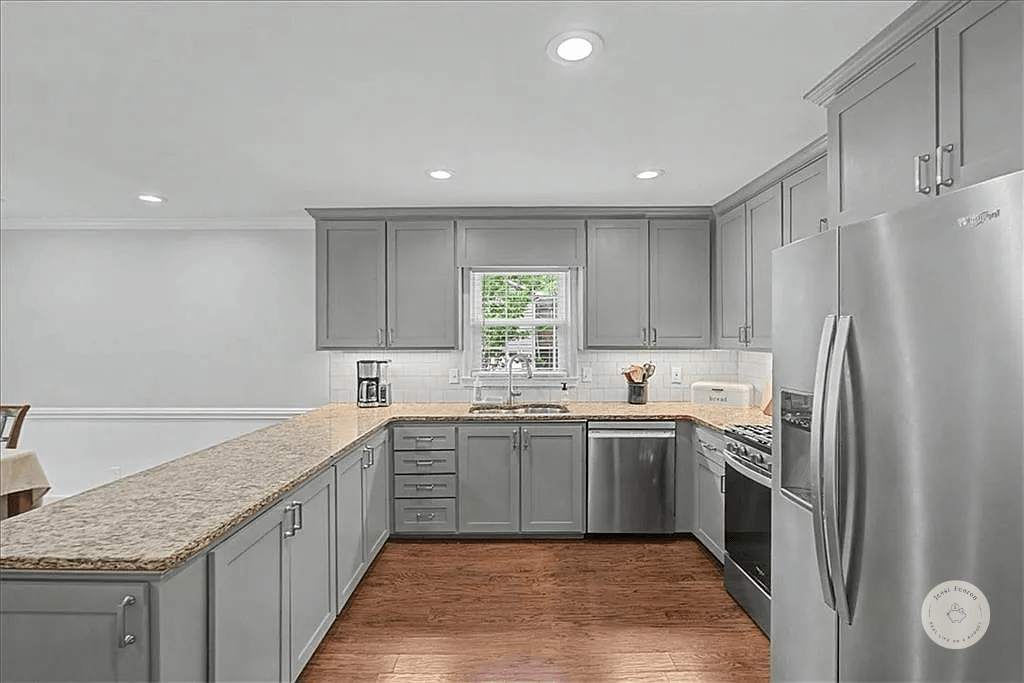
Step 2: Deep Clean Like It’s Your Job
I’m talking about the kind of cleaning you normally save for spring cleaning:
- Baseboards
- Walls and doors (this cleaner is AMAZING! Seriously, it took half the time it normally does to clean my walls and doors with this stuff.)
- Window tracks
- Light fixtures (including vacuuming out the lights on your ceiling fans if they’re the bowl kind)
- Behind and under appliances
- Under sinks
And don’t forget the things buyers notice most:
- Floors
- Bathrooms (especially grout – we actually had to regrout our bathroom floors due to missing grout, glass shower doors [these are the cleaning cloths I use to make our glass doors spotless], and mirrors) If you want to see what our Master Bathroom looked like, this post details our renovation we did several years ago. And in that time, the grout on the floor wore down, which is normal and is why we had to regrout.
- Kitchen sink and countertops
A clean home signals “move-in ready,” even if it’s not brand new.
Bonus tip: A Realtor friend of mine actually said to do this, and she’s right – it works! Buy a brand-new doormat for your front door. It’ll be clean, crisp, and very inviting to the future homeowner.

Step 3: Neutral, But Warm
You don’t want your home to feel sterile—but you also don’t want it to feel overly personalized.
We leaned into:
- Neutral wall colors (like soft warm grays and creams)
- Minimal decor
- Light, airy spaces
Think: inviting, not distracting. Again, we went with the “Airbnb” mentality, keeping the decor very simple and neutral.
If buyers remember your decor more than your home… that’s a problem.
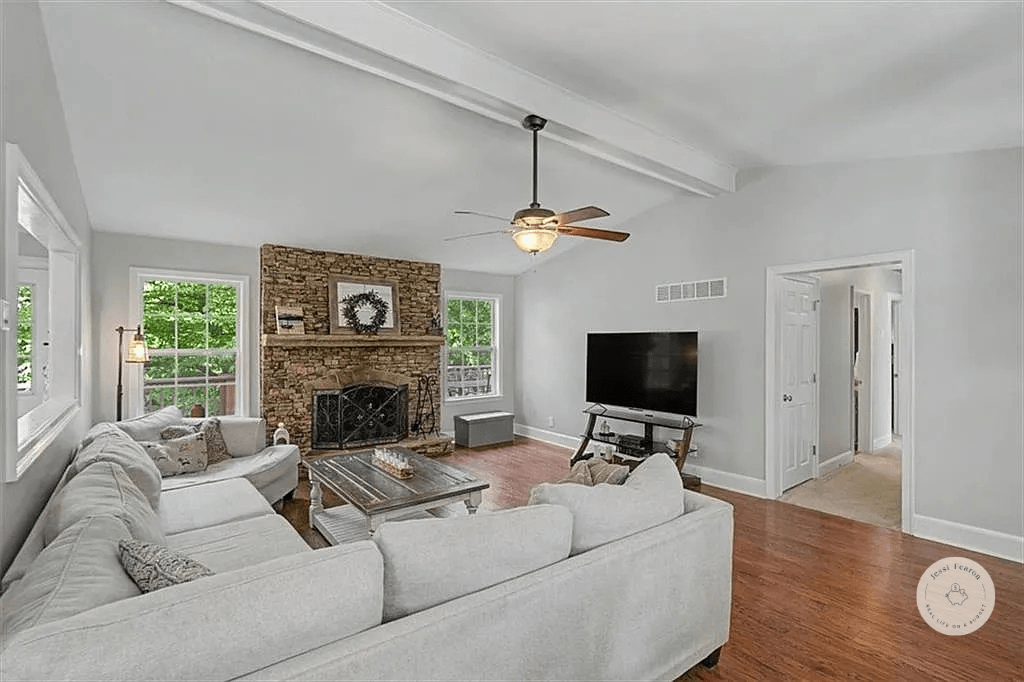
Step 4: Let the Light In
This one is simple but powerful:
- Open every curtain and blind (open them to the same level on every window to make sure lighting is equal)
- Turn on all lights (yes, even during the day)
- Replace any dim or mismatched bulbs
Light makes your home feel:
- Bigger
- Cleaner
- More welcoming
And in photos? It makes a massive difference. Because remember, people shop online for homes long before they’re even willing to go view them in person. Pictures are incredibly important.
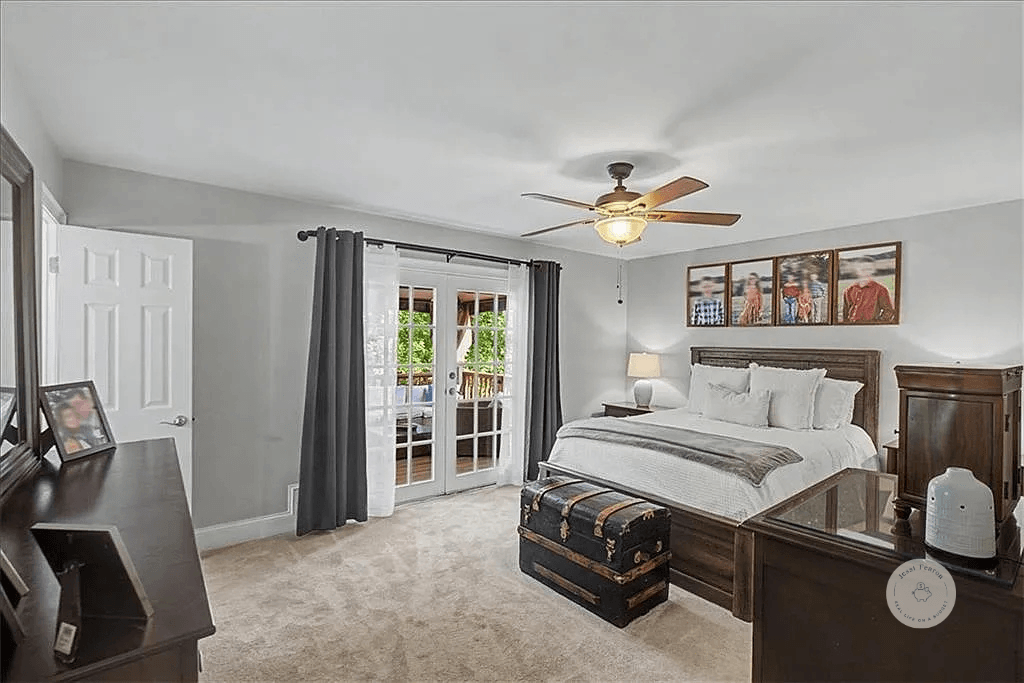
Step 5: Focus on High-Impact Spaces
Not every room needs to be perfect—but a few really matter:
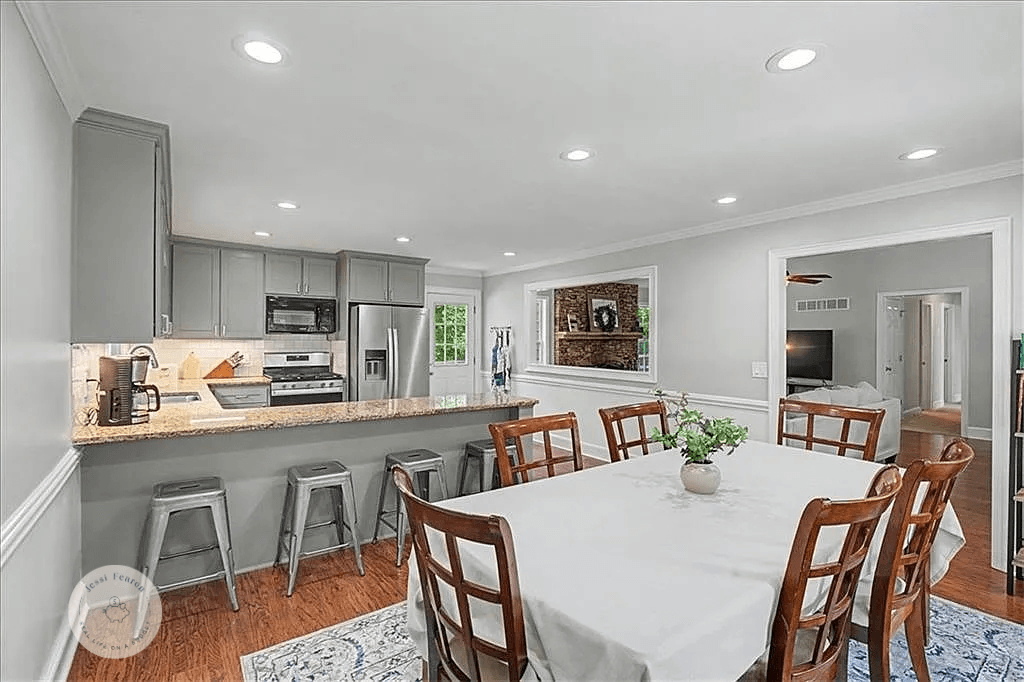
Kitchen
- Clear counters
- Clean sink
- Fresh towels
Living Room
- Simple, balanced furniture
- No excess decor
- Clean floors
Bathrooms
- Fresh towels
- Clean mirrors
- Minimal items on counters
Master Bedroom
- Neutral bedding
- Minimal furniture
- Calm, uncluttered feel
These are the spaces buyers emotionally connect with.
Something that I did: since I have pets and was worried about lingering odors, I put these diffusers in several rooms of my home, but hid them. I hid them behind couches and dresses. This helped keep my home smelling fresh, but took away the obvious “oh, they’re covering up a smell” thoughts that come up when you can see the diffusers.
Step 6: First Impressions Start Outside
Before a buyer ever steps inside, they’ve already formed an opinion.
For us, that meant:
- Freshly cut grass
- Clean driveway and walkways
- Tidy landscaping
- A welcoming front entry
You don’t need a full landscaping overhaul—just clean, maintained, and intentional.

Step 7: Be Ready for Showings (This Was the Hardest Part)
Selling a home while living in it—especially with kids and pets—is no joke.
We had to be ready to leave at a moment’s notice, which meant:
- Keeping everything picked up daily
- Having a quick “reset routine” before leaving
- Having go-to places to take the kids
- Every room had its own basket (I used these laundry baskets) that we could throw anything out of place into, along with our personal hygiene products from our bathrooms. These baskets were then loaded into my car before we headed out. This made sure that we took our chaos with us.
Was it inconvenient? Yes.
Was it worth it? Absolutely.

What Actually Helped Us Sell So Fast
If I had to narrow it down, it wasn’t just one thing—it was the combination of:
- A well-maintained home over time
- Thoughtful, simple staging
- Clean, clutter-free spaces
- Being flexible with showings
There’s no magic trick.
But there is a strategy—and it starts long before listing day.
Stewardship Over Perfection
If you’re thinking about selling your home, don’t wait until the last minute to care for it.
Start now.
Not because you’re trying to impress buyers—but because you’re being faithful with what you’ve been given.
Your home doesn’t need to be perfect.
It just needs to be cared for.
And when it is?
That’s something buyers can feel the moment they walk through the door.
Want Help Getting Your Finances Ready for a Move?
Selling a home often comes with big financial decisions—where your money is going, what you can afford next, and how to plan wisely.
If you need a simple way to get clarity, my Financial Snapshot walks you through exactly what’s coming in, what’s going out, and what you can actually afford—without the overwhelm. It helps you build a clear picture of your current financial situation and determine which direction you should move.